Deceased Estate Cleanout Services in Minneapolis, MN
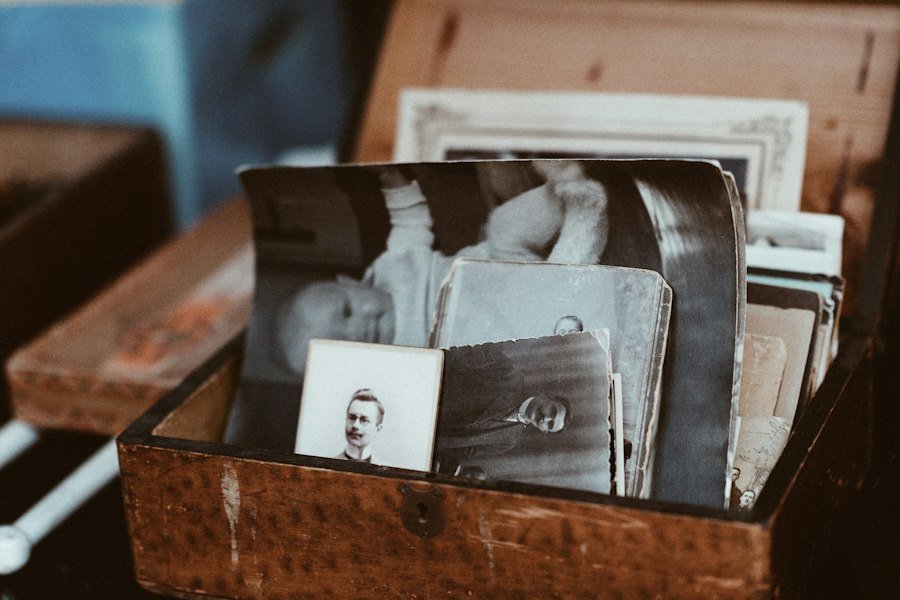
Cleaning out a home after a death can be one of the most difficult property tasks a family has to manage. A deceased estate cleanout in Minneapolis should be organized around careful review first and removal second. Important records, photographs, family keepsakes, valuables, legal documents, and items intended for relatives may be stored throughout the property and should be identified before general clearing begins.
The goal is not to rush the home to empty. The goal is to create a clear process that protects important belongings, helps the authorized person make decisions, and moves the property toward its next step.
What Should Be Done First After a Death?
Before a large cleanout begins, secure the property and identify the person responsible for making decisions. Locate keys, estate papers, insurance information, financial records, titles, identification, and other important documents. If the property is part of probate, confirm who has authority to approve removal.
Next, set aside items that should not enter the general cleanout stream. That may include jewelry, family photographs, letters, heirlooms, collections, firearms if present, medications, personal records, tax documents, and anything another family member still needs to review. If an item is uncertain, place it in a review area rather than making a rushed decision.
Why a Room-by-Room Review Matters
Many Minneapolis homes include basements, upper floors, detached garages, built-in storage, closets, and cabinets where belongings may have been stored for years. Important documents are not always in an office or filing cabinet. They may be inside a dresser, basement box, kitchen drawer, garage cabinet, or bedroom closet.
A room-by-room review reduces the chance that something meaningful is missed. It also makes the eventual cleanout faster because the remaining contents have already been separated into clear categories.
How to Sort a Deceased Estate
A simple sorting system can keep the process understandable when multiple family members are involved.
- Keep: Important records, family property, valuables, photographs, keys, and belongings already claimed.
- Review: Items that still need a decision from the executor, owner, or family.
- Donate: Usable items approved for donation where an appropriate outlet is available.
- Recycle: Materials accepted by suitable recycling programs.
- Remove: Household contents approved to leave the property.
- Special handling: Paint, chemicals, electronics, batteries, appliances, and other materials that may require separate handling.
The cleanout should follow the sorting decisions already made. Workers should not decide what is sentimental or valuable during removal.
Managing a Cleanout With Multiple Family Members
Estate cleanouts can become complicated when several relatives are involved. One person may want furniture saved while another is focused on a sale deadline. A sibling may live outside Minnesota and need photos before decisions are made. A beneficiary may still need to pick up items.
Choose one authorized point of contact whenever possible. Keep a written list of items that stay, rooms that should not be touched, and anything waiting for pickup. If family members are remote, photos or video can help them review selected belongings before final decisions are made.
Preparing the Home for Its Next Step
After important belongings have been removed and the approved cleanout is complete, the property may need to be cleaned, repaired, inspected, photographed, staged, rented, transferred, or occupied by family. A clean house makes these next steps easier because contractors and decision-makers can see the actual condition of the property.
If the home will be listed for sale, it may be useful to involve a Realtor before every item is removed. Some furniture or decor may be helpful for staging, while other contents may make rooms feel smaller or harder to photograph. The cleanout plan should support the sale strategy.
Can a Deceased Estate Be Managed From Out of State?
Remote coordination may be possible when the person with authority can provide access, clear instructions, photos, and decisions about what remains. The property may need a local contact, lockbox, property manager, Realtor, or other approved access arrangement.
Remote cleanouts require especially clear communication. Mark important items before removal, identify areas that should stay untouched, and confirm the scope in writing so there is less room for misunderstanding.
What Affects the Cleanout Estimate?
The amount of household contents is only one factor. Stairs, basements, garages, heavy furniture, narrow access, parking distance, sorting, special materials, and the number of rooms involved all affect the amount of labor required. Photos can help with the first review, but a complete estimate should reflect the actual property and approved scope.
Deceased Estate Cleanout Questions
How soon should a house be cleaned out after a death?
There is no single timeline that fits every estate. Legal authority, family decisions, property security, beneficiary review, and sale plans can all affect the timing.
What should I look for before removing household contents?
Look for wills, financial records, tax documents, insurance papers, titles, keys, jewelry, photographs, collectibles, family records, identification, and anything another relative may want to review.
What if I am not sure whether something is valuable?
Place uncertain items in a review area. Do not mix them into general removal until the responsible person decides what should happen.
Can the cleanout include the basement and garage?
Those areas can be included when they are part of the approved scope. They should be reviewed carefully because long-term storage areas may contain important belongings.
Ready to Plan Your Estate Cleanout?
Tell us about the Minneapolis property and your timeline, and we'll follow up about next steps.